
The Problem With Telling Patients Their Pelvis Is “Stuck” in Anterior or Posterior Tilt
Written by Kelsie Mazur, DPT
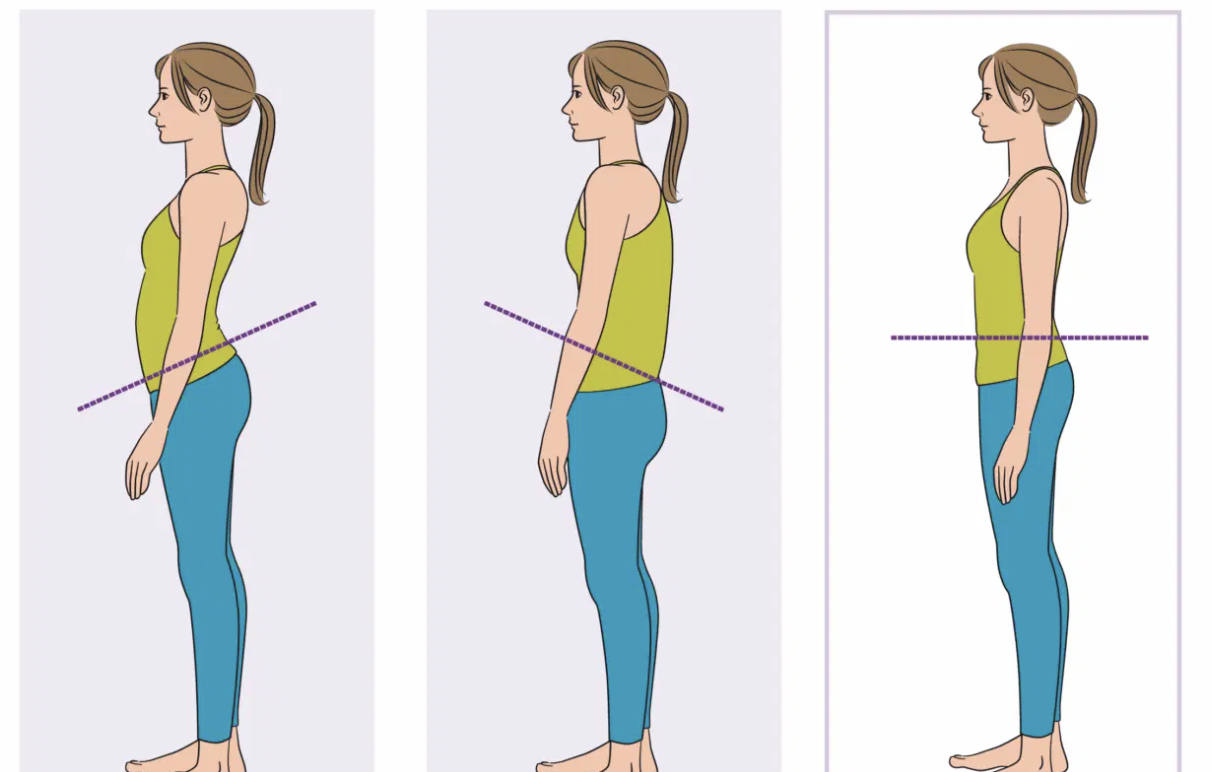
Figure X. Anterior vs. posterior pelvic tilt. Source: Baptist Health, “Anterior Pelvic Tilt: Causes, Exercises and Treatment”
There’s a particular sentence I hear from patients that truly irks me: “Another provider told me my pelvis is stuck in anterior tilt.” Sometimes it’s posterior tilt. Sometimes it’s described as rotated, shifted, locked, or out of alignment. And almost always, it comes with an explanation for a whole collection of other problems: their back pain, hip pain, tight hamstrings, knee pain, poor posture, or why one side of their body feels different from the other. Suddenly, everything seems to trace back to the position of the pelvis.
As a Doctor of Physical Therapy, this is incredibly frustrating to hear. Not because pelvic position is irrelevant. Not because posture never matters. It frustrates me because telling a patient their pelvis is “stuck” in anterior or posterior tilt sounds much more definitive, and much more clinically meaningful, than it actually is.
The problem is that the pelvis is not a static structure sitting in one universally correct position. The pelvis moves. It tilts, rotates, translates, and adapts constantly based on what the rest of the body is doing. Its position changes when you walk, squat, run, sit, stand, reach, lift, or shift your weight. There is no single pelvic position that your body has to maintain throughout the day in order to function properly.
So when I hear that someone's pelvis is “stuck” in anterior or posterior tilt, I have questions. Stuck compared to what? What are we calling neutral? How was that position assessed? How much movement is actually available? Is the person unable to move out of that position, or do they simply tend to rest there? And most importantly, what evidence do we have that the position itself is responsible for their symptoms? People can have very different postures and movement strategies without pain. People can have very similar postures and completely different symptoms. Someone's pain can improve without their posture changing at all. Someone can change their posture and feel better without that meaning the previous posture was harmful.
And then there is the idea that the pelvis needs to be “put back.” Patients will come into the clinic telling me that someone “realigned” their pelvis, “released” their SI joint, or “put their hip back where it belongs.” They may have been given exercises to “keep their pelvis in place” or warned that certain movements could cause them to become misaligned again. I understand why these explanations are appealing. They're simple. They provide a tangible problem and a tangible solution. But they can also create fear.
Now the patient may start monitoring their posture, worrying that sitting incorrectly will “pull their pelvis out,” or avoiding twisting, bending, lifting, or exercise because they're afraid they'll undo the correction. They may start believing that their body cannot maintain itself without someone repeatedly fixing it. Bodies are variable. Pelves are variable. Spines are variable. Shoulders are variable. Movement strategies are variable. And variation is not automatically dysfunction. Because your pelvis doesn't have to be perfectly aligned for you to be strong. It doesn't have to sit in one specific position for you to move well. And it certainly doesn't need to be constantly “put back” into place for you to trust your body.
The goal of physical therapy isn't to make your body look perfect from the outside. It's to help you understand your body, improve your capacity, reduce unnecessary fear around movement, and get back to doing the things that matter to you.
So the next time someone says, “Your pelvis is stuck in anterior tilt,” I think the better question is:
Does it actually matter?
Does the position limit what this person can do? Does changing it meaningfully change their symptoms or function? Is there a measurable movement limitation? Is it relevant to their goals? And does addressing it actually help them become more capable?
Because a pelvis being in a particular position is an observation. It isn't automatically a diagnosis. And it certainly isn't an explanation for everything.
Let’s chat! Book an assessment and let’s get you back to feeling good in your body.
No referrals, no waiting, just answers. Did you know that we offer free 1-on-1 injury screens? Wattage Physical Therapy will take an in depth look at your ergonomics, posture, muscle tone, muscle weaknesses, and movement patterns to create a plan for YOU. If this article intrigues you, you can directly email me, Kelsie at Kelsie@wattagept.com. I would be happy to help you start the process of living a life free from pain.