
Personal Training After ACL Surgery: Start Sooner, Come Back Stronger
By Aaron Manheimer, founder of Wattage
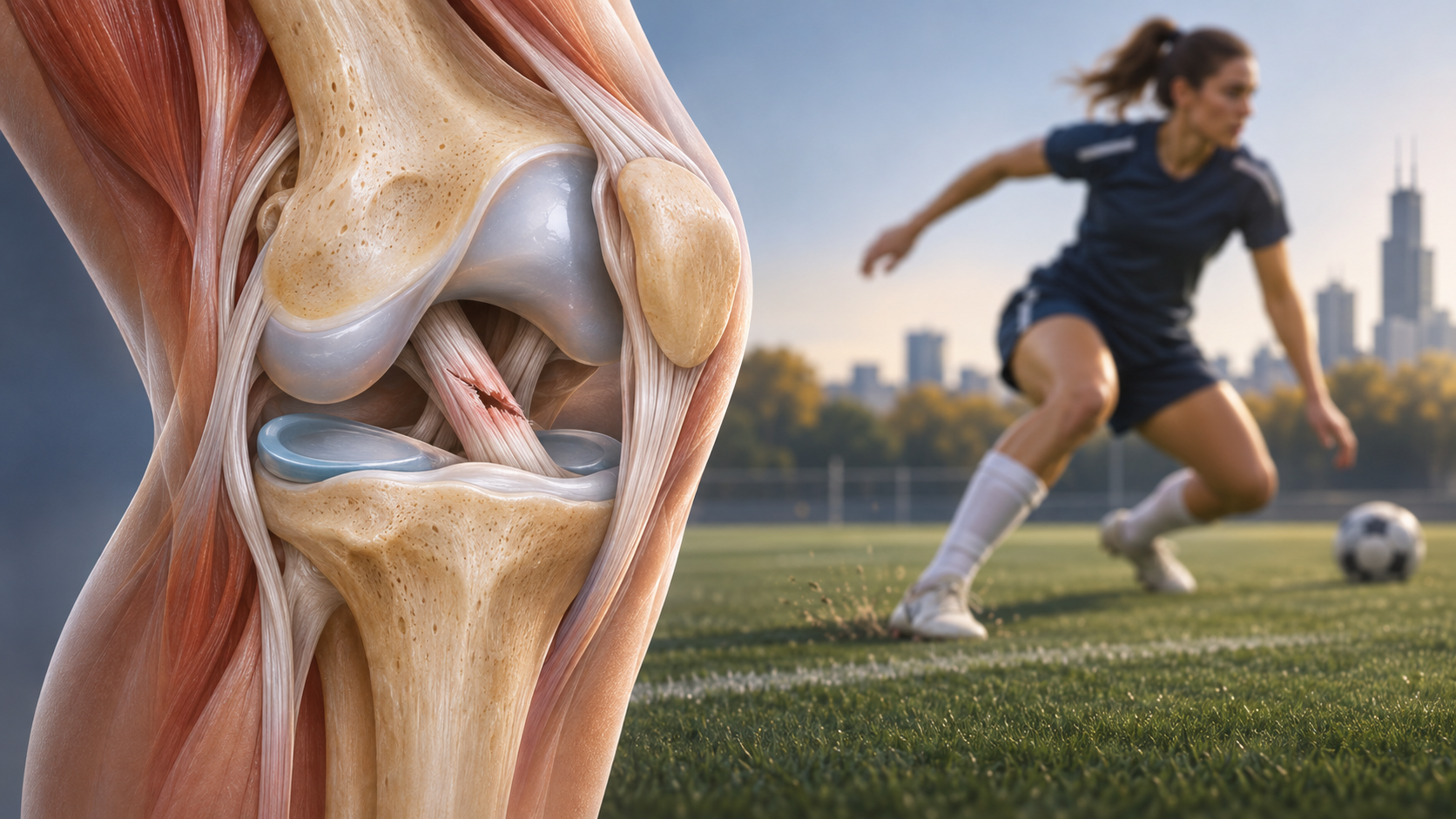
Many people assume training stops the day they have ACL surgery and doesn't start again until physical therapy ends. It doesn't have to.
At Wattage, you may be able to start training about a month after surgery, alongside your physical therapy. Your physical therapist guides your knee rehabilitation. We help you keep the rest of your body strong, then build toward the demands of your sport when your care team says you're ready.
Start with your surgeon's and physical therapist's guidance
Early in recovery, your surgeon's protocol and physical therapist determine what's appropriate for your operated knee. That remains true when you begin training with us. Keep attending physical therapy, follow your home exercise plan, and get clearance from your surgeon and physical therapist before starting.
In the meantime, your whole body doesn't have to sit out. We can work around your knee and focus on areas your care team has cleared, such as:
Upper-body strength: Seated or lying presses and pulls that let you train without loading the knee.
Core strength and control: A foundation you'll draw on later for running, cutting and landing.
Your other leg: Strength work for the uninjured side.
Keeping a routine can also help you maintain your general fitness and the habit of showing up while your knee heals.
Why train the other leg?
One surprising part of ACL recovery: strengthening your uninjured leg may help limit strength loss in the operated leg.
A 2021 randomized controlled trial published in the European Journal of Applied Physiology followed 44 people recovering from ACL reconstruction. Everyone received standard rehabilitation. Half also completed high-intensity strength training for their uninjured leg three times a week for eight weeks, beginning two weeks after surgery.
At 10 weeks, quadriceps strength in the operated leg had declined by 16.6% among those who trained the other leg, compared with 32.0% among those who didn't. The researchers concluded that training the uninjured leg should be considered during early ACL rehabilitation.
There are limits to what the study showed. The strength advantage had faded by 24 weeks, and the training didn't change participants' hop or knee-function scores. Think of it as a possible early advantage, not a shortcut. Quadriceps strength is one factor your care team may consider as you work toward returning to sport.
Add strength work as your knee progresses
As your knee heals, your physical therapist may clear you for more activity. With their guidance, we can add strength work, training volume and single-leg exercises that complement your rehab. This isn't a second physical therapy program. It's additional training coordinated with the work you're already doing.
Strength matters as you prepare to return to sport. In the 2016 Delaware-Oslo ACL Cohort study, published in the British Journal of Sports Medicine, athletes whose quadriceps strength was below 90% of their other leg before returning to sport had a 33.3% knee reinjury rate. For athletes above 90%, the rate was 12.5%.
Build back toward running, cutting and jumping
Finishing physical therapy is a major milestone. But walking comfortably and climbing stairs aren't the same as being ready to sprint, cut or jump. Research reviews suggest that only about half of athletes return to their pre-injury level of sport.
As you approach the end of physical therapy, and only after your surgeon and physical therapist clear you, we can shift toward sports performance training:
Running: Progress gradually toward running again.
Jumping and landing: Rebuild your ability to absorb force, first on two legs and then on one.
Cutting and changing direction: Practice slowing down, planting and turning.
Conditioning: Build the fitness your sport demands.
There's no benefit to rushing this stage. In the Delaware-Oslo study, the reinjury rate decreased by 51% for each month athletes delayed returning to sport, up to about nine months after surgery. Many people return to sport between nine and 12 months after surgery, but your surgeon and physical therapist should guide that decision.
Who can benefit from training after ACL surgery?
This may be a good fit if you've had ACL surgery and want to work toward more than everyday movement. That could include:
Former athletes who want to feel like athletes again
Skiers preparing for turns, bumps and a full day on the mountain
Hyrox racers working toward running, lunges and sled work
Runners who want to get back to running with confidence
Saeed's return to soccer
Saeed came to Wattage after ACL reconstruction while continuing physical therapy. We trained the rest of his body, then progressed to running, cutting and jumping as he neared discharge. By the time he returned to the field, he was fitter than he'd been before his injury.
Saeed shares more about his experience in this Reel.
When to contact your surgeon or care team
Training around an injury means paying attention to how you feel and following your care team's guidance. Contact your surgeon or care team urgently if you experience:
Sudden or worsening calf pain, swelling or tenderness
Knee pain, swelling or tenderness that keeps getting worse
A high temperature or feeling generally unwell
Fluid, pus or blood coming from the wound
New numbness or tingling around the knee
Your knee giving way
Getting started at Wattage
Book an intro personal training session. We'll discuss your health history, recovery, goals and movement, then build a plan around your physical therapist's guidance. We'll match you with a coach for one-on-one training. Wattage has physical therapists on site if you need physical therapy as well.
Book an intro session or give us a call to get started.
This article is for general information and isn't medical advice. Every ACL recovery is different. Follow your surgeon's and physical therapist's guidance, and get their clearance before you start training.