
Do You Really Need a Total Hip Replacement?
Kelsie Mazur, DPT
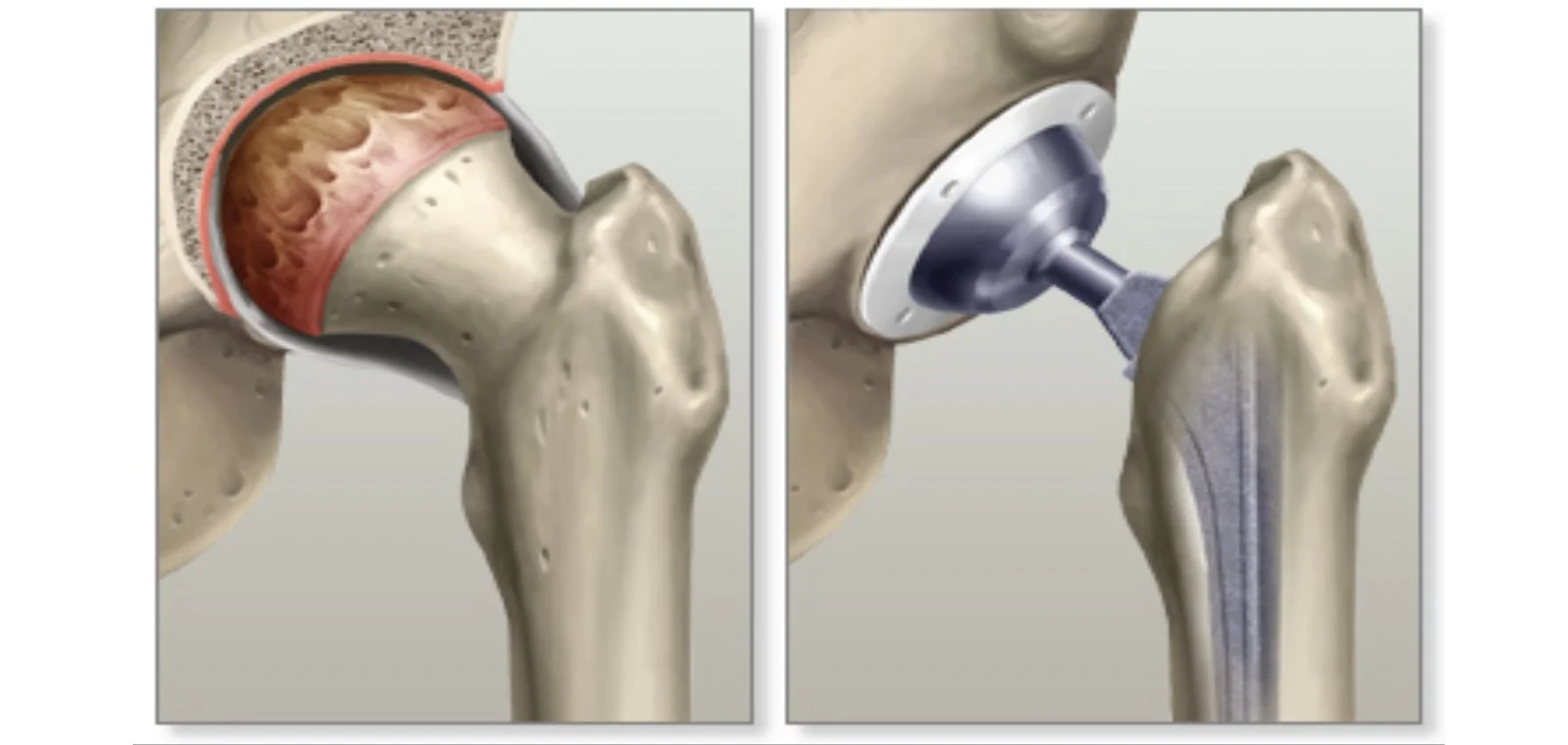
As a Doctor of Physical Therapy, I talk with people every week who’ve been told they “need a hip or knee replacement.”. Sometimes it’s true. But sometimes, with the right plan, movement, and strengthening, we can delay or even avoid surgery altogether.
Let’s unpack what total hip arthroplasty is, when it’s truly indicated, why physical therapy should always be part of the picture, and what you should know about the two main surgical approaches.
What Is a Total Hip Arthroplasty?
A total hip arthroplasty (THA for short), or total hip replacement, is a surgery where the damaged parts of your hip joint are replaced with artificial components or an artificial joint. The goal is to reduce pain and restore movement when other treatments haven’t worked (this statement triggers me, because as a physical therapist I know that pain is so complicated and very individualized for each person, so to hear “other treatments haven’t worked” leads me to question if you’ve seen the right physical therapist.)
THA (total hip arthroplasty) is one of the most successful orthopedic surgeries out there, yet it’s still a major procedure that carries real risks. Any time you go under anesthesia, there’s potential for complications, and that’s before we even consider the fact that an artificial joint is being placed into your body (forever). While these risks are generally low and outcomes are often excellent, it’s important not to overlook what this surgery really involves. That’s why a thoughtful, individualized plan that starts with conservative care, including physical therapy, is so valuable before moving forward with something as invasive as joint replacement.
Who Truly Needs a Hip Replacement
Surgery should be the last resort! The people who benefit most from a total hip replacement usually have severe arthritis and/ or bone-on-bone changes seen on imaging. But let’s break that “bone on bone” down: it’s not real in the way people think it is. Imaging findings rarely match how someone actually feels or moves, and that phrase creates unnecessary fear, hopelessness, and the false idea that the joint is “destroyed” and can’t be helped, when in reality, pain and function are influenced by far more than an MRI or an x-ray. Other factors as to why a THA is considered are constant pain that limits walking, sleep, and daily activities. This patient with hip pain often loses mobility and strength despite trying other treatments and are struggling to live independently or do what they enjoy.
Why Physical Therapy Should Always Be Part of the Process
Here’s something I see all the time: someone goes to an orthopedic surgeon for hip pain, gets told they’re a “candidate” for surgery, then they’re referred to physical therapy. By that point, they’re often in a ton of pain, the kind that’s been there for months or years. That kind of pain isn’t just physical anymore. It’s chronic and it’s influenced by biology, psychology, and social factors.
That can make therapy more challenging, but it absolutely does not mean it won’t work. If your pain flares with activity but settles with rest, or if you haven’t yet tried a dedicated program of movement and strengthening with a skilled physical therapist, it’s worth giving that a chance first.
In fact, good physical therapy can still be incredibly effective. A skilled therapist can help you restore mobility, improve strength and balance, correct movement patterns that have developed around pain, and rebuild confidence in how your body moves. We can’t erase arthritis, but we can help you move in a way that reduces irritation and pain.
And if you do end up needing surgery, prehab, or therapy before the operation, can set you up for a smoother, faster recovery.
The key is working with a therapist who understands the full picture: not just your hip joint, but your pain experience, your goals, and your life outside the clinic.
Anterior vs. Posterior Hip Replacement: What’s the Difference?
If surgery becomes the right choice, you’ll probably hear about the anterior and posterior approaches. Both can be effective, and both have excellent long-term outcomes. The main difference is how the surgeon gets to your hip joint.
Anterior approach: The incision is made in the front of the hip. The surgeon works between muscles rather than cutting through them. This can lead to a quicker early recovery and fewer post-op restrictions, though the surgery can be more technically challenging and sometimes irritate nearby nerves.
Posterior approach: The incision is made at the back of the hip. Some muscles are temporarily detached and repaired afterward. This approach has been used successfully for decades and gives excellent long-term results, but early recovery can be a bit slower and there’s a slightly higher short-term risk of dislocation.
Neither approach is universally “better.” The best one depends on your anatomy, your surgeon’s experience, and your personal goals.
The Bottom Line
A total hip replacement can absolutely change your life when it’s truly needed. But before you sign up for surgery, make sure you’ve given physical therapy a fair chance, even if your pain is chronic and complicated. With the right guidance, movement, and mindset, you can make meaningful improvements, reduce pain, and possibly delay or avoid surgery altogether. Strong muscles, confident movement, and an understanding of your pain are the foundation of a healthy hip, whether it’s your own or an artificial one.
Let’s chat! Book an assessment and let’s get you back to feeling good in your body.
No referrals, no waiting, just answers. Did you know that we offer free 1-on-1 injury screens? Wattage Physical Therapy will take an in depth look at your ergonomics, posture, muscle tone, muscle weaknesses, and movement patterns to create a plan for YOU. If this article intrigues you, you can directly email me, Kelsie at Kelsie@wattagept.com. I would be happy to help you start the process of living a life free from pain.