
Why Your Sleeping Position Probably Isn't Causing Your Pain (And Why a New Mattress Isn't the Magic Fix)
Written by Kelsie Mazur, DPT
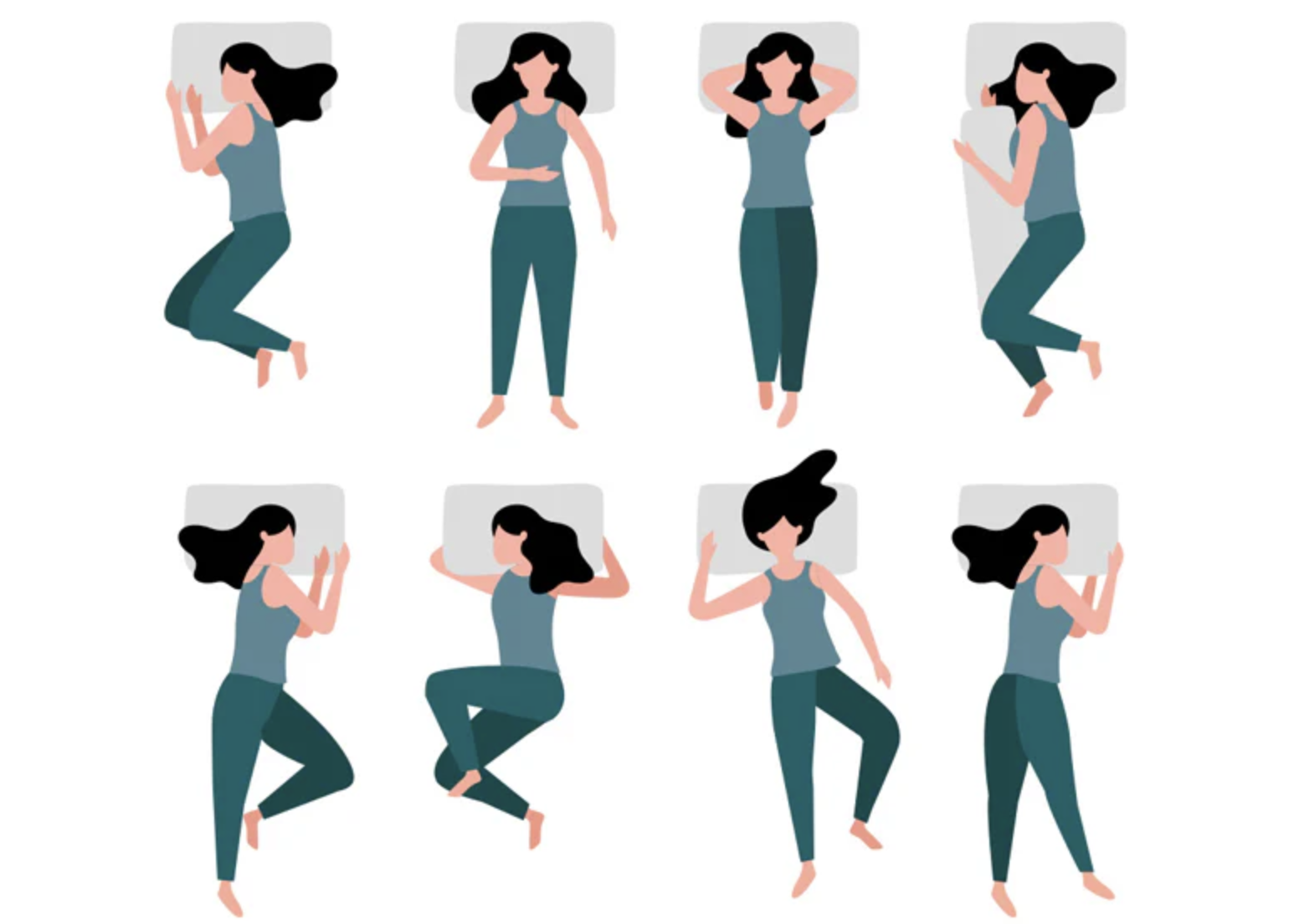
If you've ever woken up with neck pain, low back pain, or hip discomfort, you've probably asked yourself one of two questions:
"Did I sleep wrong?"
Or:
"Do I need a new mattress?"
As a physical therapist, I hear these questions almost daily. Mattress companies, pillow manufacturers, and social media influencers have created a billion-dollar industry around the idea that the right sleep setup can solve your pain problems. The reality is much less exciting.
Humans Are Surprisingly Adaptable
Think about it for a moment. Humans have existed for hundreds of thousands of years. For the vast majority of that time, we slept on the ground, on straw, on animal hides, and in countless positions that would make today's ergonomic experts cringe. Yet somehow our species survived. Your body is designed to tolerate a wide variety of positions. In fact, most people change positions dozens of times throughout the night without even realizing it. If there were truly one "perfect" sleeping posture, your body would naturally stay there all night. Instead, it moves constantly.
Movement is normal.
Variation is normal.
Sleeping in different positions is normal.
"But I Always Wake Up Sore"
This doesn't necessarily mean your sleeping position is the problem. Many people wake up sore because they have an underlying sensitivity that already exists before they go to bed. Consider someone with low back pain. They sit for eight hours at work, skip exercise, experience high stress, and have been dealing with intermittent back pain for months. Then they wake up stiff and blame the mattress. The mattress becomes the suspect because that's where the pain is noticed.
But the actual contributors may be:
Reduced physical activity
Decreased strength and endurance
High stress levels
Poor sleep quality
Long periods of sitting
General deconditioning
Existing pain sensitivity
The mattress simply becomes an easy target.
The Mattress Industry Loves This Conversation
Don't get me wrong. A completely worn-out mattress that sags in the middle can absolutely be uncomfortable. If your mattress is 15 years old and feels like a hammock, replacing it may improve comfort. But comfort and pain are not the same thing. Many people spend thousands of dollars on a new mattress hoping it will finally eliminate their neck pain, back pain, or hip pain. A few weeks later they're often disappointed because the pain is still there. Why? Because the underlying issue wasn't the mattress. It was the body's capacity to tolerate daily demands.
The Better Question to Ask
Instead of asking:
"What's the best sleeping position?"
Try asking:
"Why is my body so sensitive to normal sleeping positions?"
That's a much more productive question. A healthy, resilient body should be able to tolerate sleeping on its back, side, stomach, hotel bed, couch, guest room mattress, or camping pad without significant consequences. The goal isn't finding the perfect position. The goal is becoming resilient enough that position matters less.
What Actually Helps?
For most people dealing with persistent neck, back, or hip pain, the biggest improvements come from:
Regular Exercise→Strength training improves tissue capacity, endurance, and confidence in movement.
Walking→One of the simplest and most effective interventions available.
Better Sleep Quality→ Not necessarily a better mattress, but better sleep. Consistent sleep schedules, reduced screen time, and stress management often matter more than expensive bedding.
Movement Throughout the Day→ Your body generally dislikes staying in one position for hours at a time. This applies to sitting and even standing (for all you standing desk warriors out there).
Building Capacity→The stronger and more conditioned you become, the less sensitive your body tends to be to everyday positions and activities.
So Should You Buy a New Mattress?
Maybe. If your mattress is old, uncomfortable, sagging, or preventing you from sleeping well, replacing it could improve comfort and sleep quality. But don't expect it to solve years of neck pain, low back pain, or hip pain by itself. Most pain problems are multifactorial. They are influenced by activity levels, stress, sleep quality, physical conditioning, lifestyle habits, and overall health. A mattress is just one small piece of a much larger puzzle. There is no universally perfect sleeping position. There is no magic mattress. There is no pillow that guarantees pain-free mornings. Rather than obsessing over finding the perfect sleep setup, focus on becoming more resilient through regular movement, exercise, strength training, walking, and quality sleep habits. The more adaptable your body becomes, the less you'll have to worry about whether you rolled onto your stomach at 2 a.m. And that's a much more powerful solution than anything you'll find in a mattress showroom.
Let’s chat! Book an assessment and let’s get you back to feeling good in your body.
No referrals, no waiting, just answers. Did you know that we offer free 1-on-1 injury screens? Wattage Physical Therapy will take an in depth look at your ergonomics, posture, muscle tone, muscle weaknesses, and movement patterns to create a plan for YOU. If this article intrigues you, you can directly email me, Kelsie at Kelsie@wattagept.com. I would be happy to help you start the process of living a life free from pain.